Pleasure Society
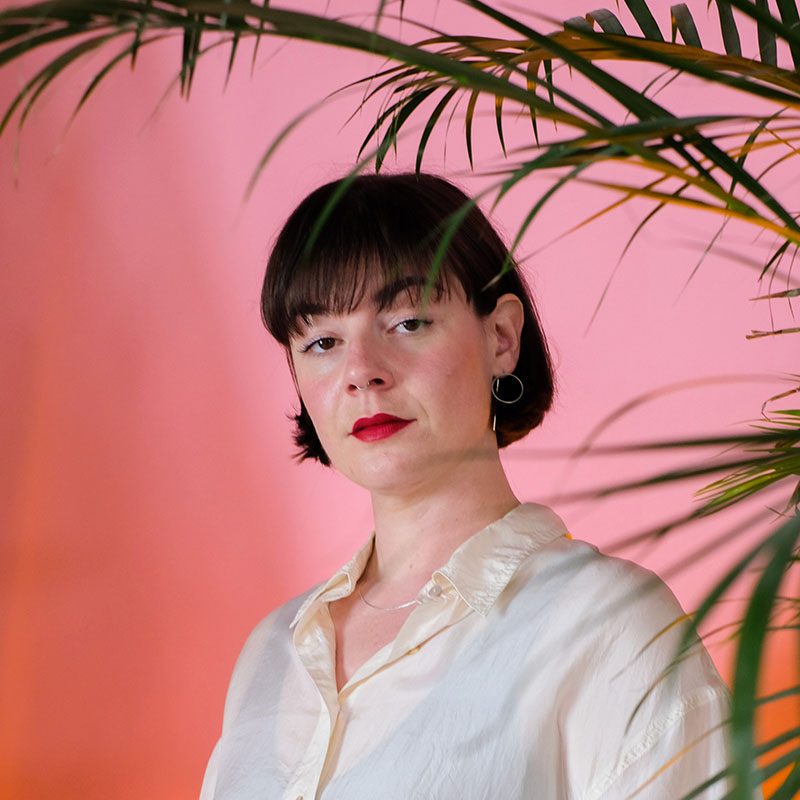
A platform for sexuality — products, services, stories and experiences. Founded in Amsterdam by Shari Klein. The radio show is where the campaign began.
At a glance
A Dutch campaign to replace shame-laden body language with anatomically accurate words — starting with the labia.
The word
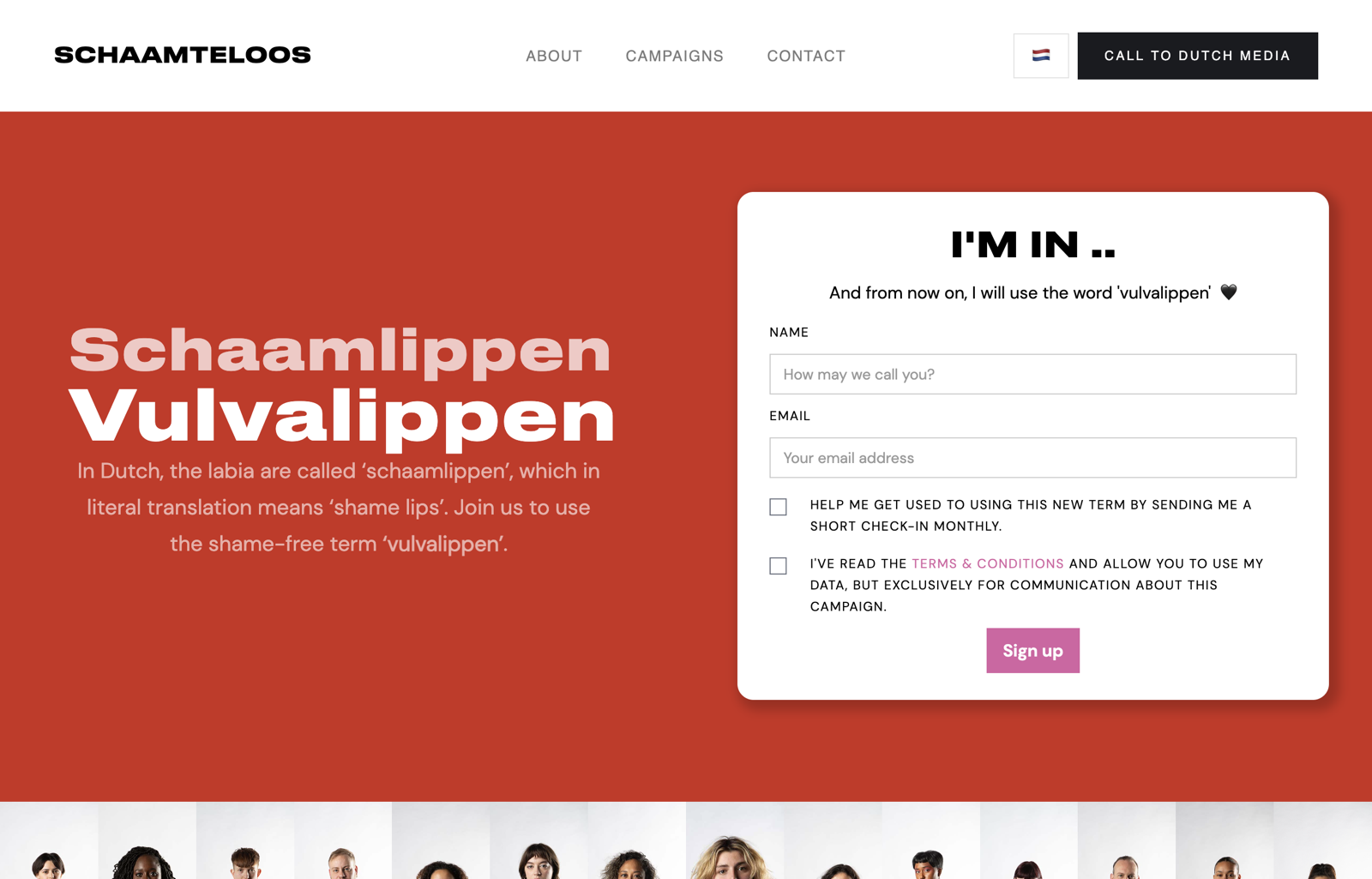
In Dutch, the labia are called schaamlippen — literally “shame lips”. From a young age people are taught a whole set of body words built on schaamte: schaamhaar, schaambeen, schaamstreek, schaamlippen. The older dictionary entry even traces the idea to Latin pudenda: parts one is supposed to be ashamed of.
That language tells us not to talk about something entirely natural, and it lands hardest on the people who have labia. Everyone has pubic hair, a pubic bone, a pubic area. Only about half of us have labia — so the taboo sits unevenly. Why should we feel shame about something that is completely natural? It is time for new language.
Schaamteloos asks everyone to use vulvalippen instead: an anatomically accurate, stigma-free word. Sexologist Ellen Laan, professor of sexology at Amsterdam UMC, put it into public circulation in 2021. “We don’t talk about shame balls either,” she wrote — and asked others to help the new name catch on. The campaign’s aim is to remove shame from our vocabulary — a step toward a more shame-free society.
On schaamteloos.org you can sign “I’m in”, promise to use vulvalippen, and share the action so the word — and why it matters — travels as far as possible.
How it started
The campaign began on Radio Pleasure Society. Host Shari Klein had Diana Lin of The Oh Collective as a guest. In the studio they landed on the word schaamlippen — and Diana was shocked that Dutch still names a body part after shame.
The Oh Collective came back to Pleasure Society with a proposal: turn that moment into a campaign. Pleasure Society brought in The Vulva Gallery — Sam Hil Atalanta’s illustrated portraits and stories, already working on inclusive body language — and The Social Code Foundation. What started as a twist in a radio show became a collective asking the country to speak differently.
Ellen Laan (1962–2022) did not live to see the dictionary change. She had spent years arguing that women and men should actually learn the anatomy and working of the female body; the word was part of that. Schaamteloos carries that line of work forward.
The dictionary
The first public aim was simple: use vulvalippen often enough — in speech and in writing — that the editors of the Dikke Van Dale would have to notice. In August 2026 they did. Chief editor Ton den Boon confirmed the word will enter the online dictionary in the autumn 2026 update. It is already turning up in media, biology textbooks, medical leaflets, and even veterinary language — animals, as he noted, do not feel shame.
Schaamlippen stays. It has been current for about a century, and a family of related words still hangs off schaam-. Adding a word is not the same as deleting another. The work now is everyday use: classrooms, clinics, newsrooms, and kitchens. Campaigners are asking doctors and officials to put vulvalippen in leaflets and consultations.
Dolle Mina — the feminist movement that began in 1969 — was revived on 23 January 2025, fifty-five years after its first day of action. With Esther van der Valk, Joy Dekker, and Hannah van Hamelen, the new generation joined Schaamteloos with bus-shelter posters, letters to GPs, and a march through Utrecht in September 2026. The dictionary is a recognition. Habit is the next job.
Who carries it
An ad-hoc collective: Pleasure Society, The Oh Collective and The Vulva Gallery, with The Social Code Foundation — later joined by Dolle Mina.
A platform for sexuality — products, services, stories and experiences. Founded in Amsterdam by Shari Klein. The radio show is where the campaign began.
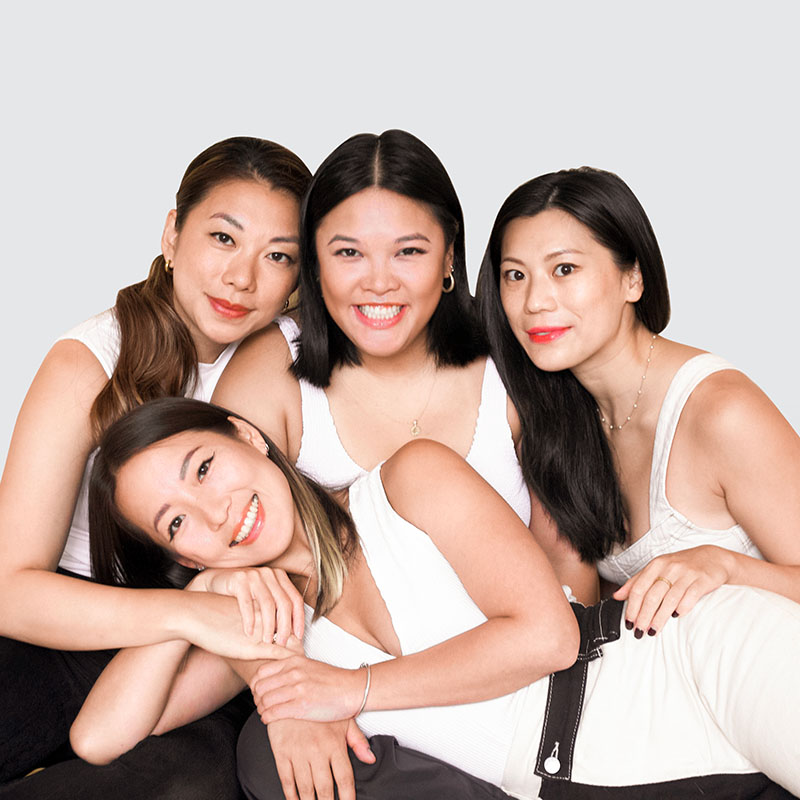
A sexual-wellness company working to break taboos about sex and bring pleasure to all. Founded by Winxi, Diana, Simona and Eden. Diana’s shock in the studio started the conversation.
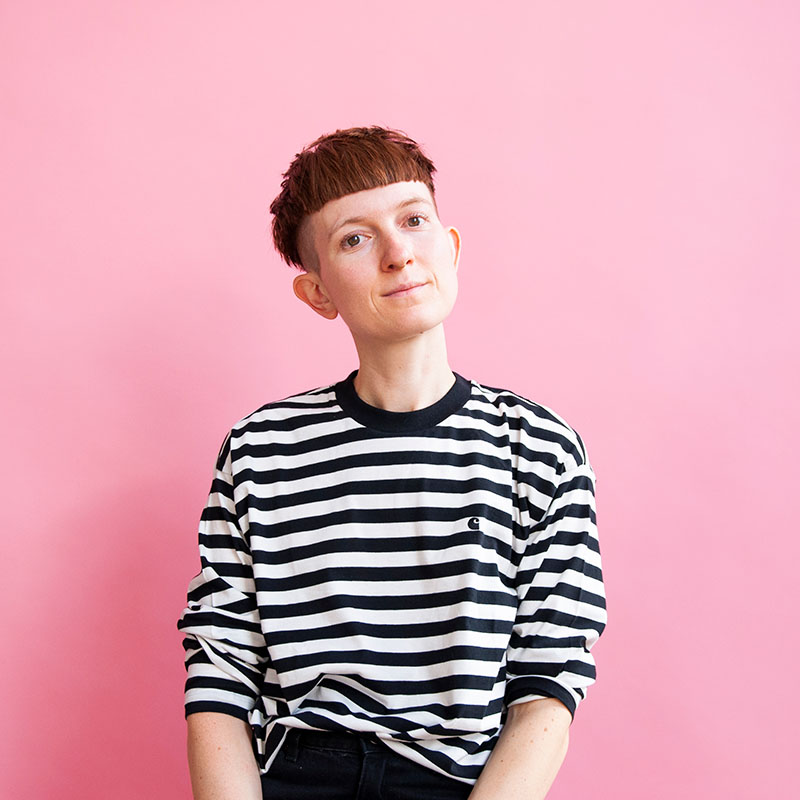
Illustrated vulva portraits and personal stories — an educational platform celebrating the vulva in all its diversity. Created by Amsterdam illustrator Sam Hil Atalanta.

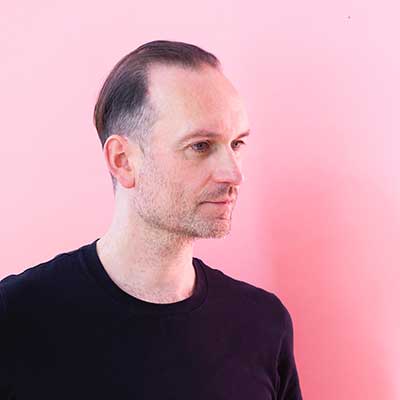
Sebastian Kersten’s foundation: ethical technology, (sexual) education, and support for feminist and queer work. Strategic, operational, and financial backing for the campaign.
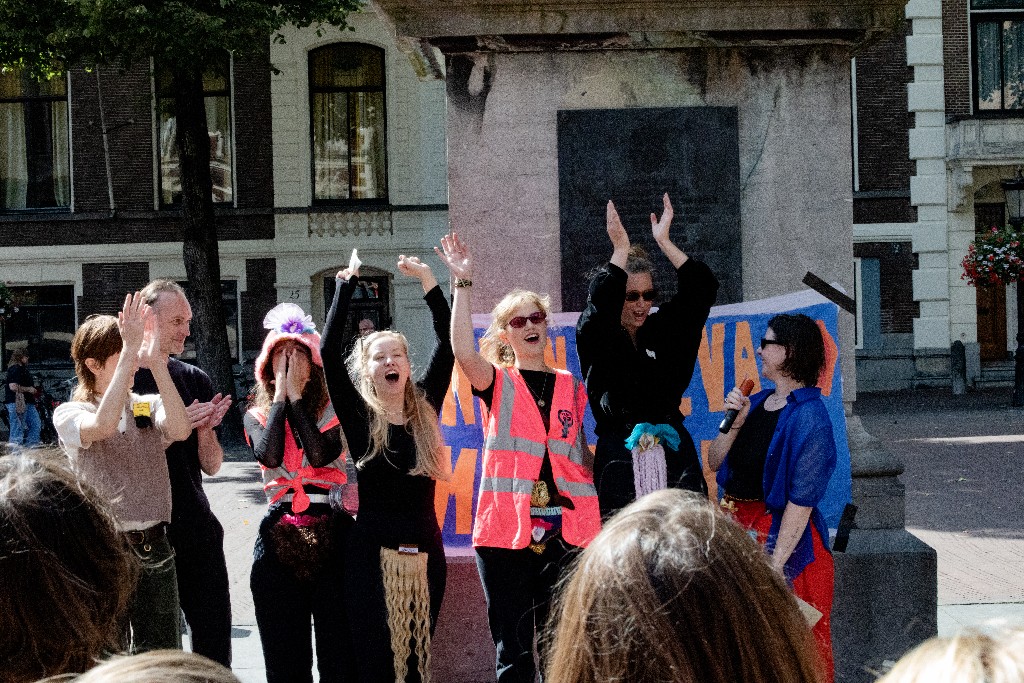
The feminist movement from 1969, officially revived on 23 January 2025 — with Esther van der Valk, Joy Dekker, and Hannah van Hamelen — brought the word to bus shelters, GPs’ letterboxes, and the streets of Utrecht in 2026.
Schaamteloos runs primarily on donations. Please consider becoming a supporter by making a one-time donation or becoming a patron.